



For Foreigners Who Want to Work in Japan: A Bunkyo Ward Administrative Scrivener Explains the "Three Pillars" of Housing, Employment, and Visa Status


Joji Uramatsu
Representative Administrative Scrivener, Yotsuba Administrative Scrivener Office
Profile (samurai.co.jp) ↗Joji Uramatsu, representative of Yotsuba Administrative Scrivener Office (former China Bureau Chief of Mainichi Newspaper), shares the "three pillars for sustaining work in Japan" from Bunkyo Ward. The preparation of documents for residence status is handled by Yotsuba Administrative Scrivener Office and housing referrals by Yotsuba Real Estate Co., Ltd., each under a separate contract. Available in four languages.
You're reading this from Yotsuba Administrative Scrivener Office, located in Kohinata, Bunkyo Ward, Tokyo. We're a somewhat unconventional office—we operate both a real estate business (Yotsuba Real Estate) and an administrative scrivener practice under one group. We offer support in Japanese, English, Traditional Chinese, Simplified Chinese, and Spanish.
If you're reading this page, you're likely either a foreigner who wants to work in Japan or someone already working here. Or perhaps you're a human resources manager at a Japanese company considering hiring foreigners.
My name is Joji Uramatsu. I'm the representative of this office. I'm a former China Bureau Chief at Mainichi Newspaper and served a posting in Beijing. During that time, I met many young people at street corners and Japanese language schools who dreamed of finding employment in Japan. In their eyes, I saw both excitement about the new life ahead and just a hint of anxiety.
I still remember the words I heard from them back then.
"I want to study anime in Japan." "I heard that Japanese society is quiet and calm." "I want to learn Japanese service culture and open a shop for my family back home."
The reasons varied, but what they all shared was a quiet sense of pride in choosing Japan as their destination.
On this page, I'd like to discuss with you—and with everyone preparing to work in Japan—the "three pillars for sustaining work in Japan". I'll keep technical jargon to a minimum and speak from practical experience.
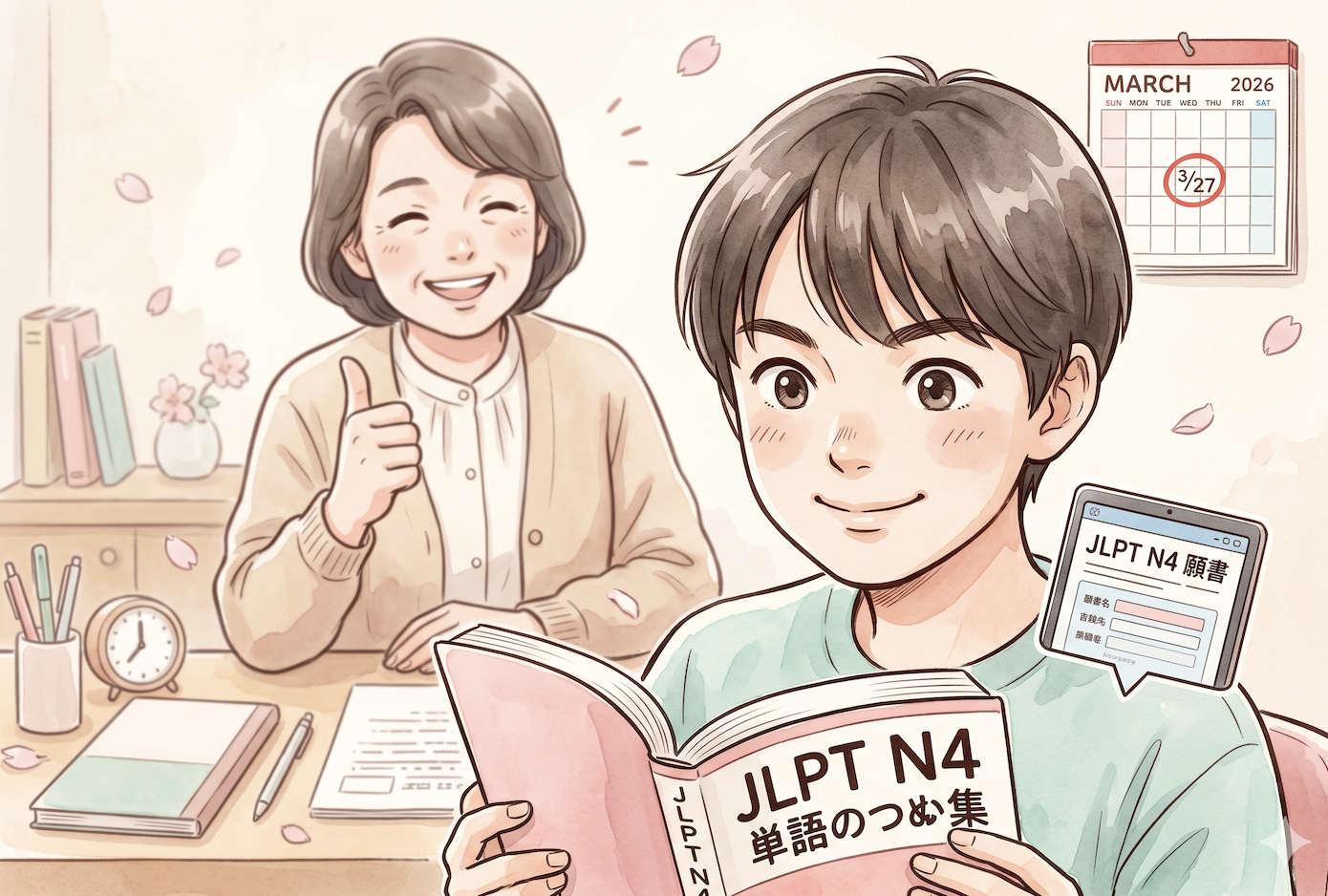
The Three Pillars We Prioritize
When supporting foreign clients at Yotsuba Group, we always consider these three pillars together:
Pillar 1: Residence Status (Visa)—What kind of work you can do in Japan
Pillar 2: Japanese Language Proficiency—The breadth of job opportunities available to you
Pillar 3: Housing—Where you'll live and commute from
Most administrative scrivener offices handle only visas, and real estate agencies handle only housing. But in reality, these three pillars influence each other and cannot be considered separately.
For example, when applying for residence status, you need documents proving your address in Japan. When renting housing, you need your residence card and proof of stable income. When choosing a job, your Japanese language level must align with the visa requirements.
The distinguishing feature of Yotsuba Group is that we can complete all three matters at a single consultation window.
The First Pillar: Your Residence Status Is Determined by Your Background
There are many types of residence status that allow you to work in Japan. Here are some of the most common:
- Specified Skilled Worker Type 1—Work in 16 designated sectors with labor shortages, including care work, construction, food service, agriculture, and automobile transport
- Technology/Humanities/International Services (informally called "Gijinkoku")—For university graduates or higher to work using specialized knowledge
- Business Management—For those establishing and operating a company in Japan
- Designated Activities—For those with special circumstances that don't fit other residence status categories
Which residence status you should pursue depends on your education, work experience, and desired job type. For instance, if you're a university graduate, Gijinkoku might be an option—but in practice, the relationship between job duties and educational background is strictly scrutinized. The approach of "let's just apply for Gijinkoku and see" is extremely risky.
What we want to emphasize strongly is this: do not attempt to obtain a residence status you don't qualify for. In the worst cases, people fall victim to unscrupulous recruiters and end up engaged in illegal employment.
In recent years, the Immigration Services Agency has applied examination standards more rigorously in accordance with law, and no deception or dishonesty will be tolerated.
→ Immigration Services Agency "Specified Skilled Worker System"
→ Immigration Services Agency "Illegal Employment Prevention"
The Second Pillar: Japanese Language Proficiency Is Your "Ticket" to Employment
In most fields of Specified Skilled Worker Type 1 positions, Japanese language ability at "A2 level" or "N4 level or above" is required. This means:
A level of Japanese language ability sufficient for everyday conversation and functioning in daily life without significant difficulty
There are currently two official methods to prove your Japanese language ability:
- JLPT (Japanese Language Proficiency Test) at N4 or above—Administered twice yearly (July and December)
- JFT-Basic (Japan Foundation Japanese Basic Test)—Administered approximately six times per year
Here is one critical fact you must not overlook.
JLPT is held only twice per year, and in reality, applications concentrate so heavily that capacity is reached within just 1–2 weeks of registration opening. For the first test in 2026, N4 reached capacity just 9 days after applications opened, and N3 in 10 days.
For detailed information about this system and how to handle it, Shinobu Wakazono, an administrative scrivener in Matsudo, Chiba Prefecture and a member of the professional network "SAMURAI" operated by Yotsuba Administrative Scrivener Office, has written a clear Q&A explanation.
Information about JFT-Basic administration can be found on the Japan Foundation's official website.
Have a question about your situation?
Tell us about your residency, permit or administrative procedure enquiry.
→ Japan Foundation "Japanese Basic Test (JFT-Basic)" Official Site
For JLPT information, check the JLPT official website and the application site run by the Japan Educational Exchanges and Services (JEES), which handles domestic applications.
→ Japanese Language Proficiency Test (JLPT) Official Website
→ Japan Educational Exchanges and Services (JEES) JLPT Application Site [Domestic Applications]
The Third Pillar: Housing Is the Foundation of Life and Proof of Employment
You might find this surprising, but housing is deeply connected to both your residence status and your job search.
When renewing or changing your residence status, the immigration bureau seeks evidence that you are living stably in Japan. A stable address, consistent rent payments, and good relations with neighbors—all of these demonstrate your living track record and become evidence of your reliability regarding residence status itself.
However, it's not easy for foreigners to rent housing in Japan.
Many real estate agencies refuse to rent to foreigners because of reasons like "no guarantor," "Japanese isn't perfect," or "short residence period." This stems less from discrimination than from the reality that landlords and real estate agents cannot bear the risk.
Yotsuba Real Estate is one of the few real estate agencies that actively supports foreigners in finding housing. We introduce properties throughout Tokyo, centered in Bunkyo Ward. We support four languages—Japanese, English, Traditional Chinese, and Simplified Chinese—so we can explain even the fine details of contracts in your native language.
And since you can handle visa procedures at Yotsuba Administrative Scrivener Office and housing through Yotsuba Real Estate, both can be managed at a single contact point. You only need to exchange documents once, and your rent payment history becomes documentary evidence for your visa renewal.
From Bunkyo Ward, to You—The Future We Envision
Yotsuba Group's headquarters is located in Kohinata, Bunkyo Ward, Tokyo. Bunkyo Ward is an academic center with many universities and research institutions, including the University of Tokyo, Ochanomizu University, Juntendo University, and Takushoku University. Many of our clients are graduates of or current students at these institutions.
What we value most is taking time to think together about how you can live and work in Japan with peace of mind.
Document preparation, interview coaching, housing arrangements, workplace negotiations, advice on life issues, and future career planning—we provide comprehensive long-term support centered on the visa application process.
And when something is beyond what our single office can handle, we connect you with other specialists through the nationwide professional network "SAMURAI". For instance, this column provides helpful information about the latest visa trends in the Kanto region.
If you someday want to establish your own company in Japan, this column will also be useful.
Three Actions for You Today
Thank you for reading this far.
If at this moment you feel "I don't know where to start," please remember just these three things:
① Write out your background—Education, work experience, certifications you hold, and your strengths. This is the starting point for everything. Write it in both Japanese and your native language; it will definitely be useful for any future applications.
② Add the test registration opening date to your calendar today—For JLPT's second test in 2026, applications open on August 17. Simply applying on the registration opening day dramatically expands your possibilities for working in Japan.
③ Go talk to a specialist—Don't try to figure this out alone. Japan has many administrative scriveners, labor and social insurance consultants, and tax accountants who want to support you. Yotsuba Group is one of them.
Related Information
If you want to learn more about foreign employment and residence status, please also check out the column directory on "SAMURAI".
→ SAMURAI "Visa and Residence Status" Category
→ SAMURAI "Foreign Employment" Category
You can also view the profile of Joji Uramatsu, representative of Yotsuba Administrative Scrivener Office, on SAMURAI.
→ Joji Uramatsu | SAMURAI Profile
Reference Links (Government Agencies)
- Immigration Services Agency "Specified Skilled Worker System"
- Immigration Services Agency "Illegal Employment Prevention"
- Japan Foundation "Japanese Basic Test (JFT-Basic)" Official Site
- Japanese Language Proficiency Test (JLPT) Official Website
- Japan Educational Exchanges and Services (JEES) JLPT Application Site [Domestic Applications]
Related SAMURAI Columns
Let's start by sorting out your situation.
Yotsuba Gyoseishoshi Office (Kohinata, Bunkyo-ku; a 5-minute walk from Myogadani Station on the Tokyo Metro Marunouchi Line) supports you from organizing the requirements through document preparation and application.
LINE connects you directly to our representative, Joji Uramatsu. Messages are accepted 24/7 and answered in order.
5 min walk from Myogadani Sta. (Tokyo Metro Marunouchi Line)|Tue & Wed 10:00–19:00 / Mon, Thu–Sun 18:00–19:00